Why Hiring a Licensed Plumber in Manhattan Matters More Than You Think
There is a certain sound that makes every New York apartment dweller go quiet. A slow drip, a gurgle in the wall, the faint hiss of steam where there should be none. In a city where buildings stack people like cordwood and pipes run through walls like veins, a small plumbing issue can turn into a very expensive headache before you even pick up the phone.
I have spent over two decades working in this trade, mostly on the Upper West Side, and I have seen the difference between a homeowner who calls anyone with a wrench and one who insists on a licensed plumber. That difference is not just about paperwork. It is about who sleeps well at night when the water is shut off and the inspector is coming tomorrow.
What a license actually means in Manhattan
In New York City, a plumbing license is not a formality. It requires years of apprenticeship, passing a rigorous exam, and carrying insurance that protects both you and your property. The city tracks licensed plumbers, and there is a public record of every job they pull a permit for. When you hire a licensed plumber Manhattan residents can trust, you are hiring someone who has a legal obligation to do the work right. Unlicensed handymen operate in a gray zone. They might do a decent job on a faucet, but if something goes wrong, you have no recourse. The city does not back you up. Your insurance may not cover the damage. And the next owner of your apartment will find the problem during the inspection, and you will pay for it twice.
I remember a job in a prewar building on West End Avenue. The tenant had hired a guy from a flyer to replace a toilet. He did it in an afternoon, charged cash, and disappeared. Three weeks later, the ceiling in the apartment below looked like a watercolor painting. The leak was traced to a wax ring that was installed wrong. The tenant had to pay for the ceiling repair, the mold remediation, and then hire a real plumber to redo the work. The flyer guy was nowhere to be found.
The permit question nobody asks
Most people do not realize that certain plumbing jobs in Manhattan require a permit from the Department of Buildings. Water heater replacements, gas line work, and any change to the drainage system usually need one. A licensed plumber pulls the permit, schedules the inspection, and makes sure everything passes. An unlicensed person might skip that step entirely, which can create a nightmare when you try to sell your apartment. The buyer's attorney will ask for permits. If there are none, the deal can fall through.

I have seen this happen more times than I can count. A young couple buys a co-op, renovates the bathroom, and then decides to sell five years later. The managing agent asks for the permit for the new shower valve. There is none. The sale stalls. The buyer demands a credit. The seller pays thousands of dollars to have a licensed plumber come in, tear out part of the wall, and bring the work up to code. It is an expensive lesson in why doing things the right way the first time saves money in the long run.
What a licensed plumber brings to the job
Experience matters, but so does knowledge of the local building stock. Manhattan has buildings from every era, and each one has its own quirks. A prewar building with cast iron pipes behaves differently than a new glass tower with PEX tubing. A licensed plumber who works in the city has seen it all. They know which walls are load bearing, which pipes are shared between units, and how to navigate the maze of building rules and co-op board requirements.
Take boiler repair, for example. A boiler in a Manhattan apartment building is not just a piece of equipment. It is the heart of the building's heating system, and it has to meet strict emissions standards. A licensed plumber knows how to service it safely, when to call a specialist, and what permits are needed for a replacement. An unlicensed person might be able to change a valve, but they may not understand the combustion dynamics or the local codes. That can lead to carbon monoxide issues or a failed inspection.
Gas piping is another area where licenses are non-negotiable. A gas leak is not a joke. It can cause explosions, fires, and health problems. In Manhattan, only a licensed plumber or a licensed gas fitter can legally work on gas lines. That is not a bureaucratic whim. It is a safety measure that protects everyone in the building. When I see a homeowner trying to save a few bucks by hiring someone without the proper credentials to install a gas stove, I cringe. It is not worth the risk.
How to find a good one
So how do you find a licensed plumber in Manhattan? Start by asking neighbors and building staff. They know who does good work and who shows up on time. You can also check the city's license database online. That takes two minutes and gives you peace of mind.
When you interview a plumber, ask about their experience with your type of building. Ask if they carry workers' compensation and liability insurance. Ask if they will pull the necessary permits. A legitimate professional will not hesitate to answer yes to all of those. They will also give you a written estimate before starting work. If someone refuses to put a quote in writing, that is a red flag.
Another tip: get multiple quotes. Not to beat them against each other, but to understand the scope of the job. A low bid might mean the plumber is cutting corners, like using cheaper materials or skipping a permit. A high bid might mean they are planning to do the job properly. I have seen homeowners choose the cheapest option and then pay more in the long run. It is a false economy.
The cost of doing it right
Let us talk about money, because that is what most people are really worried about. Hiring a licensed plumber costs more upfront than hiring an unlicensed handyman. That is true. But the difference is usually not as big as people think. For a typical repair, the labor rate might be $100 to $150 per hour, plus materials. A handyman might charge $50 per hour, but they might take twice as long because they do not have the right tools or experience. And if they mess up, you are paying for the repair plus the damage.
There is also the value of insurance. If a licensed plumber accidentally damages your property, their insurance covers it. If an unlicensed person does the same, you are on your own. I have seen a handyman drill through a water pipe and then leave the job, leaving the homeowner with a flooded kitchen and no recourse. That is not a rare story. It happens all the time.
Let me give you a concrete example. A few years ago, I was called to a brownstone on 74th Street. The owners had hired someone to install a new dishwasher. The installation involved connecting to the hot water line. The handyman used a cheap plastic fitting that was not rated for the pressure. It held for about a month, then cracked. Water sprayed all over the under-sink cabinet, ruined the hardwood floor, and seeped into the basement. The repair cost over $2,000, not counting the new floor. The handyman was gone, of course. A licensed plumber would have used a brass fitting and tested the connection properly. The job would have cost maybe $300 more, and it would have been done right.
When you really need a licensed pro
There are certain jobs where you should never consider anything less than a licensed plumber. Water heater replacement is one. Boiler work is another. Any gas line work is a third. Drain cleaning, oddly enough, is often fine with a good handyman if it is a simple clog. But if the clog is recurring, it might be a deeper issue like a collapsed pipe or a root intrusion. That is when you need someone with the knowledge to diagnose the problem, not just snake the drain.
For most people, the smartest approach is to build a relationship with a licensed plumber before you have an emergency. That way, when something breaks at 2 a.m., you are not calling a random number from the internet. You are calling someone who knows your building, your pipes, and your history. That is worth a lot in a city where everything moves fast.
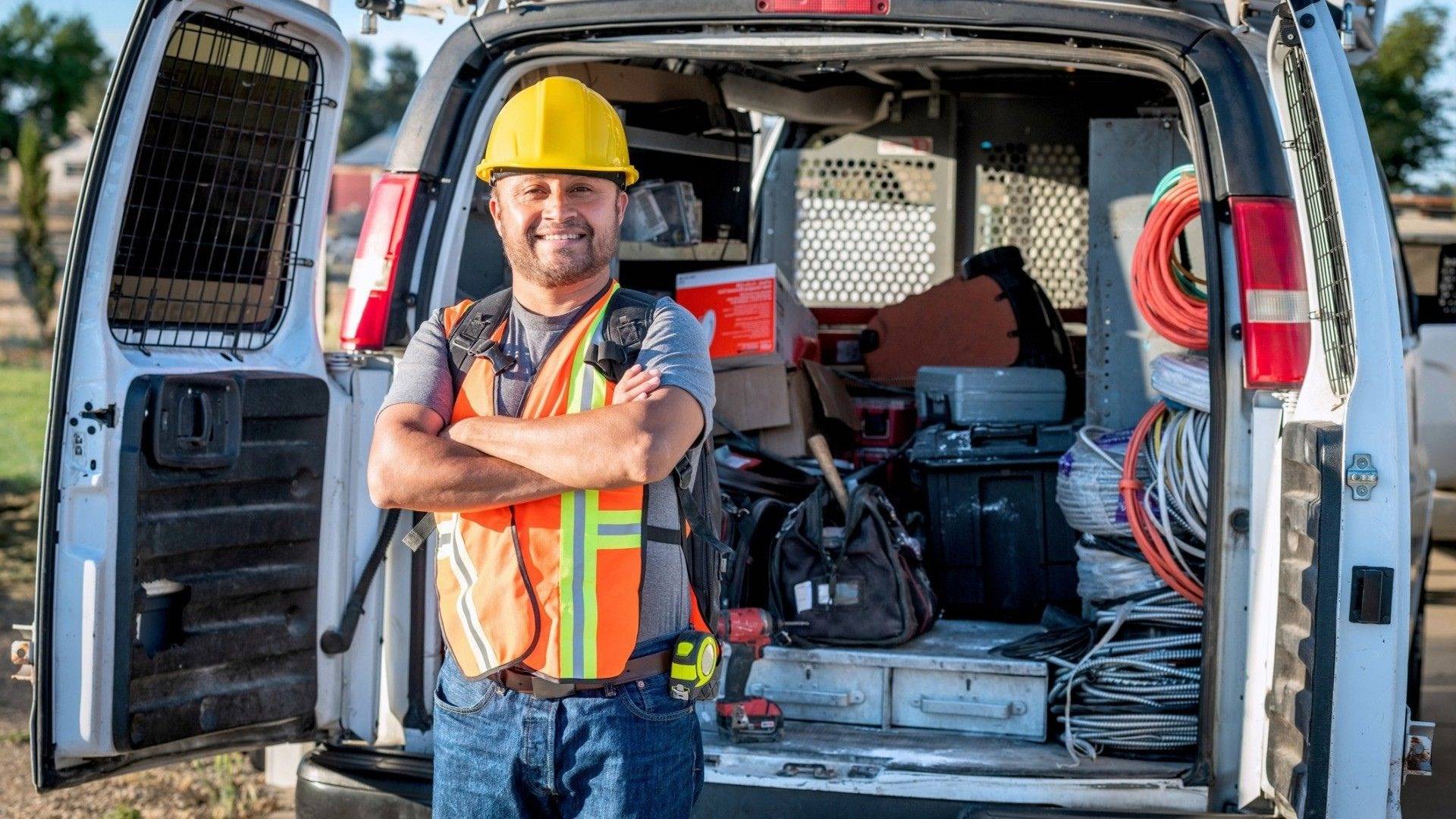
In the end, the question is not whether you can afford a licensed plumber. It is whether you can afford not to hire one. The peace of mind, the legal protection, and the quality of work are worth the extra cost. Next time you have a plumbing issue, take the time to find a licensed plumber manhattan residents recommend. Your walls, your wallet, and your future self will thank you.
If you are in the Upper West Side and need a reliable professional, Glenn's Plumbing Services, located at 342 W 71st St, New York, NY 10023, has been handling residential and commercial plumbing, drain cleaning, boiler repair, and gas piping for over 24 years. You can reach them at +1 646-963-2616.
Connect with us on Facebook.